Self-discipline is the foundation of success, productivity, and personal growth. Whether your goal is to stay consistent with fitness, improve your career, build better habits, or simply stop procrastinating, self-discipline is the skill that makes everything possible. The good news? Discipline is not something you’re born with. It’s something you build through small, intentional choices over time.
In this guide, you’ll learn how to build self-discipline with practical steps, psychology-backed strategies, and easy-to-apply daily discipline habits that actually work. These methods are designed for real life, not perfection—so you can apply them no matter where you are on your personal growth journey.
What Is Self-Discipline and Why Does It Matter?
Self-discipline is the ability to control your actions, emotions, and impulses to achieve long-term goals. It’s the skill that helps you stay committed even when motivation fades—which it inevitably will.
Why is self-discipline important?
Because motivation gets you started, but discipline keeps you going.
From fitness to finances, personal goals to professional success—self-discipline is the key to building the life you want. It creates consistency, confidence, and long-term growth.
Table of Contents
1. Start With a Clear “Why.”
How to Build Self-Discipline: Key Strategies
Every habit, routine, or lifestyle change begins with purpose. Without understanding why you want to build discipline, you’ll lose steam easily.
Ask yourself:
- Why do I want to improve my discipline?
- What will change in my life if I become more disciplined?
- What happens if I don’t change?
Your “why” keeps you grounded when challenges appear. It gives meaning to every action you take.
2. Begin With Small, Achievable Habits
One of the most effective self-discipline tips is to start small. Many people fail because they try to change everything at once—wake up early, exercise daily, stop scrolling, meditate, and build routines simultaneously. That approach leads to burnout.
Instead:
- Choose one habit at a time
- Make it small and easy
- Stay consistent for at least 21 days
Small wins create big momentum.
Examples of daily discipline habits to start with:
- Read for 5 minutes a day
- Walk for 10 minutes
- Drink a full glass of water when waking up
- Keep your workspace clean
- Limit phone use in the morning
When small habits get easy, stack new ones on top. This is how discipline compounds.
3. Use the Two-Minute Rule
A highly effective self-discipline technique is the Two-Minute Rule:
If a task takes less than two minutes, do it immediately.
This rule helps eliminate procrastination and trains your brain to take action without overthinking.
Examples:
- Wash the dish right after eating
- Respond to a simple email
- Fold the shirt you just took off
- Do a 2-minute stretch
Taking immediate action strengthens discipline and builds mental structure.
4. Remove Distractions from Your Environment
Your environment shapes your behavior more than your willpower does. If you want better discipline, simplify your surroundings.
Examples of ways to improve self-discipline through environment design:
- Keep your phone in another room while working
- Delete apps that waste your time
- Keep healthy food visible and junk food hidden
- Use website blockers for social media
- Create a clean, organized workspace
By removing temptation, discipline becomes easier—not harder.
5. Build Consistent Personal Growth Routines
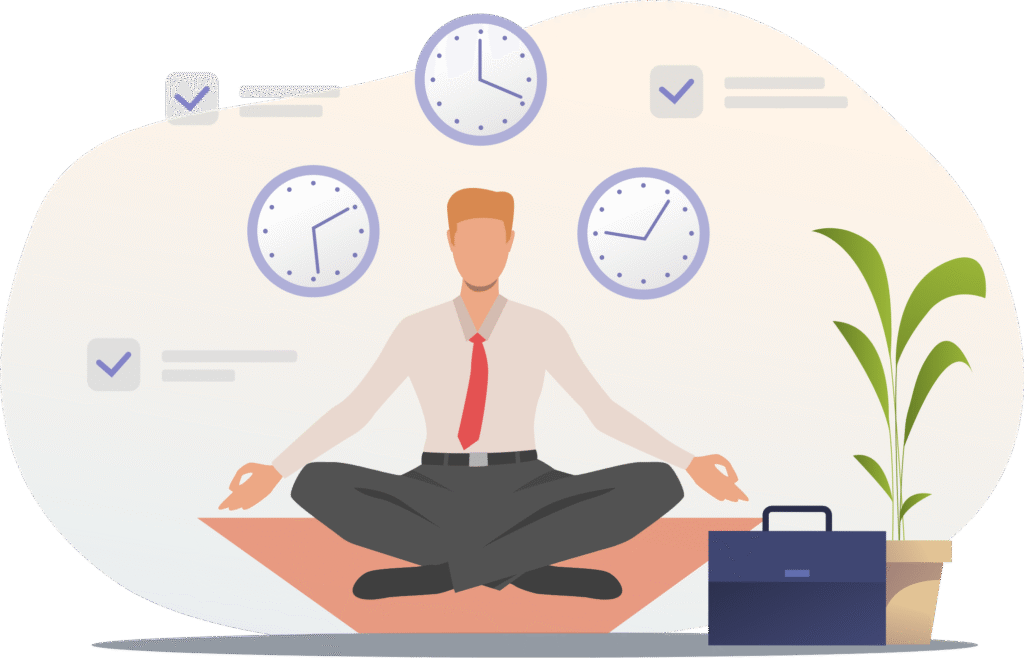
Discipline grows naturally when you follow structured routines. Your brain loves patterns, and routines help reduce decision fatigue.
Examples of effective personal growth routines:
- Morning routine: stretches, hydration, journaling, reading
- Evening routine: reflection, planning next day, screen-free time
- Work routine: focused work blocks, short breaks
- Health routine: sleep schedule, meal planning, movement
Routines provide stability and keep you aligned with your goals.
6. Break Goals Into Smaller Tasks
Big goals often feel overwhelming. The brain resists huge tasks because they seem difficult and unclear. To build self-discipline, break them into tiny, actionable steps.
For example:
Goal: Write a book
Step 1: Write for 10 minutes a day
Step 2: Set a weekly word count
Step 3: Review progress every Sunday
This method increases clarity, reduces stress, and builds long-term discipline.
7. Use Accountability Systems
Humans are more disciplined when someone is watching. Accountability systems help you stay consistent because you’re not just responsible to yourself, you’re responsible to someone else.
Try these accountability methods:
- Partner with a friend
- Share your progress publicly
- Use habit-tracking apps
- Hire a coach or mentor
- Join a challenge or community
Accountability increases your commitment and boosts motivation when you feel like giving up.
8. Train Your Mind With Delayed Gratification
One of the most powerful self-discipline techniques is learning delayed gratification, the ability to resist short-term temptation for long-term rewards.
Examples:
- Saving money instead of impulse shopping
- Eating healthy instead of junk food
- Exercising instead of choosing comfort
- Working on a project instead of scrolling
Delaying gratification strengthens your mental discipline and builds long-lasting habits.
9. Develop a “Show Up Daily” Mindset
Discipline isn’t about being perfect—it’s about showing up even on days when you don’t feel like it. The frequency matters more than perfection.
Here’s how to practice it:
- Even if you don’t want to exercise, walk for 5 minutes
- Even if you don’t want to write, write one sentence
- Even if you don’t want to meditate, sit for 1 minute
This mindset trains your brain to take action regardless of mood or motivation.
10. Celebrate Small Wins and Track Progress
Tracking your progress helps your brain see evidence of growth. When you celebrate small wins, you reinforce positive behavior—making discipline easier over time.
Try these methods:
- Use a habit tracker
- Reward yourself for consistency
- Keep a daily journal
- Review weekly achievements
Progress builds confidence, and confidence strengthens discipline.
Final Thoughts: Discipline Is Built, Not Born
Learning how to build self-discipline is one of the most valuable skills you can develop in life. It influences your career, health, mindset, habits, relationships, and personal success. The key is consistency—not perfection.
By incorporating daily discipline habits, using effective self-discipline techniques, and adopting powerful personal growth routines, you’ll dramatically improve your ability to stay focused, committed, and in control of your goals.
Start small, stay patient, and remember:
Discipline is choosing what matters most over what feels easiest.
Also Read: 10 Small Lifestyle Changes That Improve Your Mood Every Day